Nestled in the rolling hills of central Virginia, New London Academy stands as one of America’s oldest educational institutions and a lasting symbol of early American education. Founded in 1795, during America’s formative years, this frontier academy emerged from a growing belief that furthering education was essential. Over more than two centuries, the school has experienced periods of promise and hardship, adapting to changing political, social, and economic conditions while continuing to serve its community. From its modest beginnings and expansion in the nineteenth century to the disruptions caused by the Civil War and its enduring legacy in modern Virginia education, New London Academy reflects the broader story of education in the American South. Examining the academy’s infancy, growth, struggles, renewal, and influence reveals how one small school became an enduring educational landmark in Virginia history.
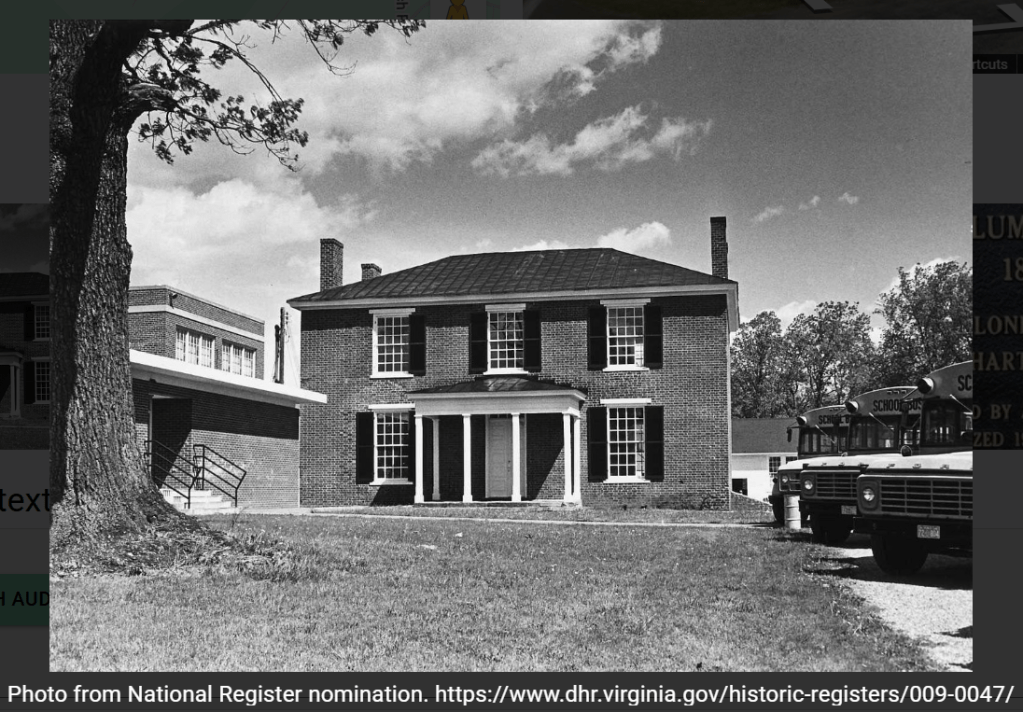
In 1795, on the Virginia frontier, there was a vision to establish a private school to educate boys beyond the elementary level. After a land grant in Bedford County, New London Academy was built. This marked the founding of the “first classical school for boys,” recognized as the “oldest secondary school in the state.”[1] The need for more education was widely desired in the early years. Before the school, many “who wanted to continue their education beyond the elementary level usually had recourse to private academies or tutors.”[2] Needless to say, when the school was built, many from the area and neighboring states attended. The academy began as a private school housing several students; therefore, it became a true living community.
This Academy became so desirable that there were more students than beds. Daisy Read states in New London: Today and Yesterday, “In addition to those students who roomed and boarded at the school, many boys found homes in the community with relatives and friends; others rode horseback coming five and ten miles.”[3] Speaking of the school’s popularity, Thomas Jefferson also took an interest in this school and sent his grandsons to attend. Tuition covered expenses such as food, school supplies, and the principal’s salary. Initially, the principal served both as headmaster and instructor. The school’s strict rules were designed to maintain discipline among the students and ensure an orderly schedule for both study and daily life. Lowell Harrison gives a great description of this academy life during this period: “Every student shall rise at 5 o’clock in the morning, and they shall all assemble at 6 o’clock for public prayer, cases of sickness only excepted.”[4]
This beloved school fell into hard times during the Civil War and Reconstruction. Times were so lean that in 1884, the principal and board decided to open the school as a public school, receiving funds from endowments and State bonds. With additional staff, the academy became the first public high school to serve Bedford and Campbell counties. Later in 1938, further legal changes were made to add an agricultural department, providing farming education and serving the area’s farming needs. This change seemed to solidify its permanence as a beacon of education for the larger surrounding area. When the county implemented bus routes, student boarding came to an end. This change made education at the school accessible to more students, prompting subsequent expansions of the campus and its facilities. Due to population growth in the modern era, more schools were built, and in 1964, New London Academy became an elementary school, which it is today. Although its educational mission has changed over time, the school has never closed, preserving an unbroken institutional lineage from 1795 to the present day. It currently operates as part of Bedford County Public Schools and serves Pre-K through Grade 5.
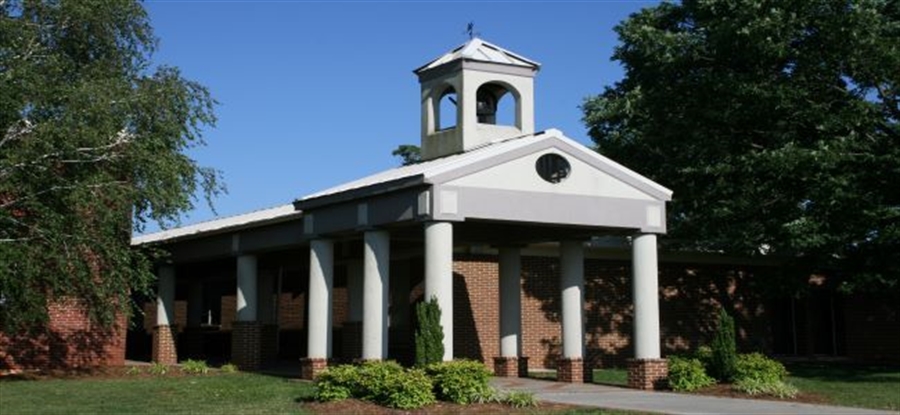
No matter the changes, this school proves its legacy by extending its reach beyond New London, exerting regional and even national influence, and by training ministers, public leaders, and educators.
Image source: Bedford County Public Schools – New London Academy official site
https://bedfordnla.sharpschool.net
[1] Read, New London: Today and Yesterday, 3.
[2] Harrison, Laws of New London Academy, 1802, 1.
[3] Daisy Imogene Read, New London: Today and Yesterday (Virginia: J. P. Bell Co., 1950), 15.
[4] Lowell H. Harrison, “Laws of New London Academy, 1802,” Filson Club History Quarterly 49, no. 4 (October 1975): 1.


Leave a comment